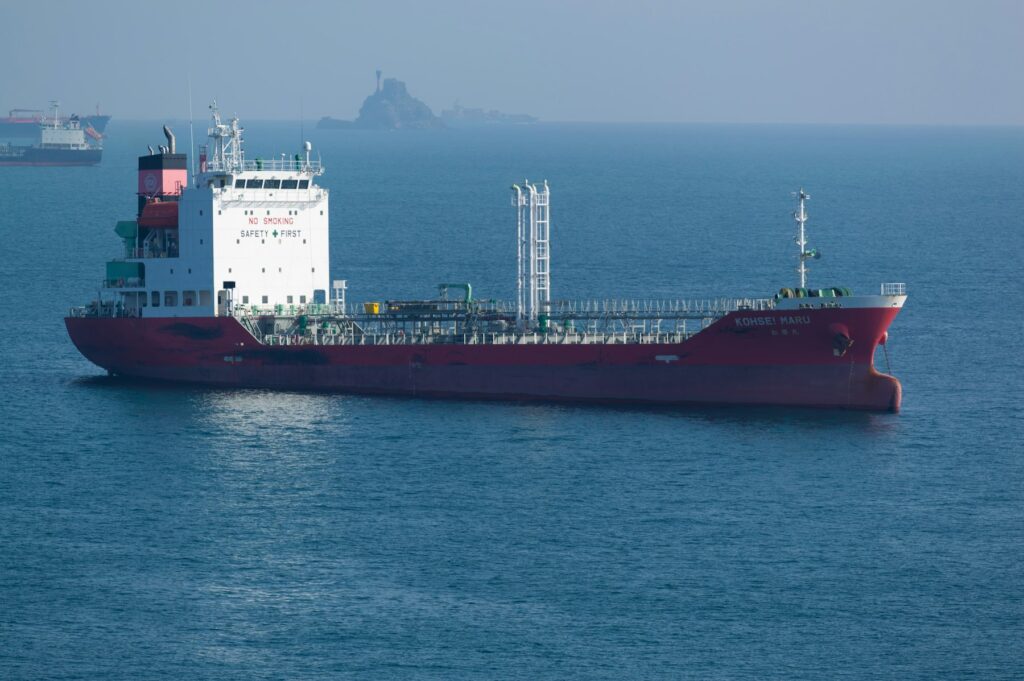
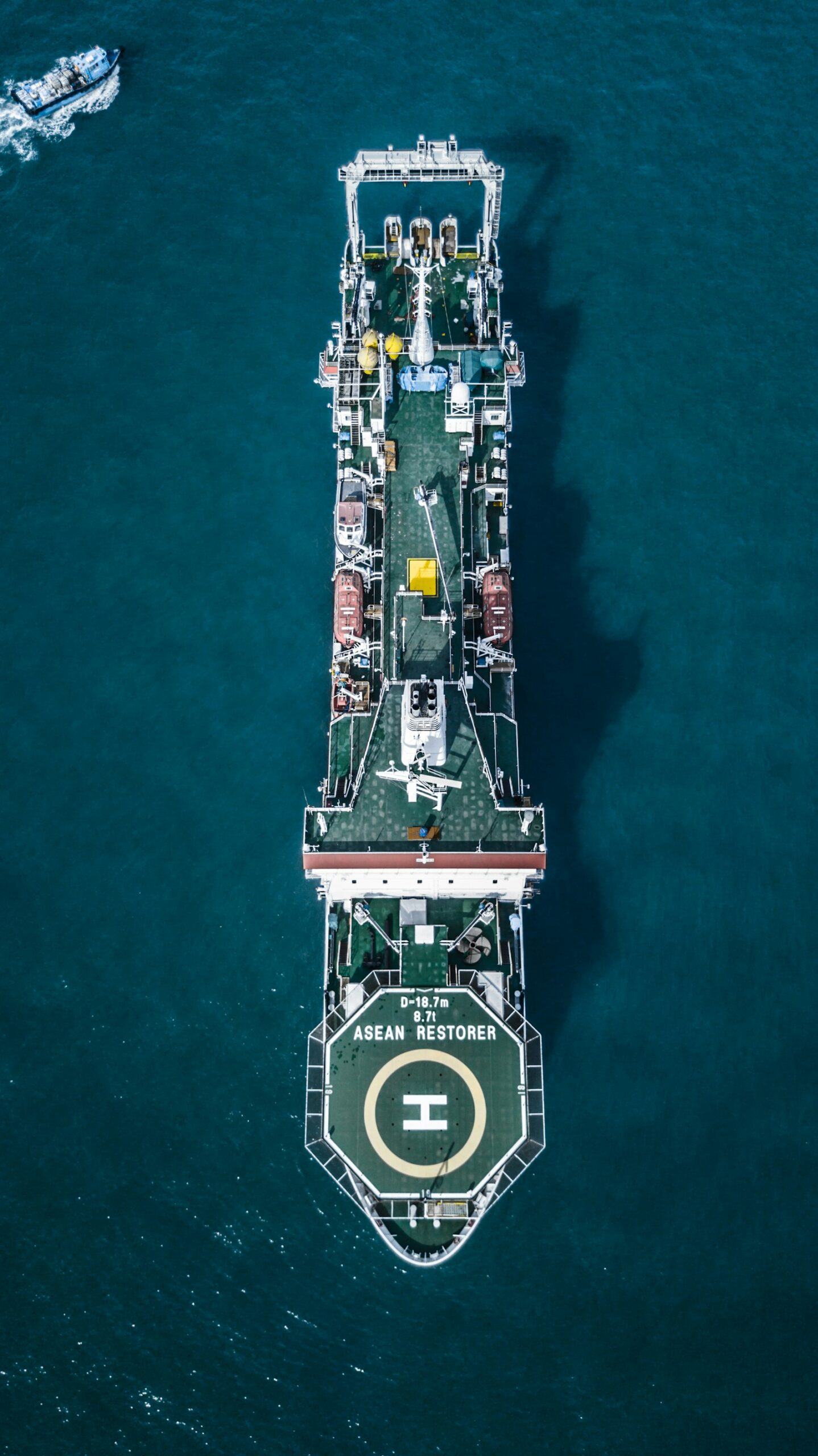
Owning a vessel in Nigeria can be a very good business. Offshore supply vessels, tankers, tugs and barges are in steady demand across the Lagos ports, the Niger Delta and the wider Gulf of Guinea. But keeping a vessel safe, compliant, crewed and earning is a full-time job. That is why many owners hand the day-to-day work to a professional ship management company in Nigeria.
This guide explains what a ship manager actually does, the rules every vessel in Nigerian waters must meet, and the questions to ask before you sign a ship management agreement.
What does a ship management company do?
A ship manager runs your vessel on your behalf, under a written agreement, so you can focus on the commercial side of your business. Services usually fall into three groups.
1. Technical management
- Day-to-day technical supervision of the vessel and its machinery
- Planned maintenance, dry-docking and repairs
- Keeping class and statutory certificates valid with the classification society and flag state
- Procurement of spares, stores and lubricants
- Budget planning and monthly cost reporting
2. Crew management
- Sourcing, screening and employing qualified seafarers
- Checking certificates of competency, training records and medical certificates
- Crew travel, crew changes and repatriation
- Payroll, crew welfare and employment records
3. Commercial management
- Finding employment for the vessel through charters
- Negotiating charter terms and freight or hire rates
- Invoicing, collections and post-fixture support
Some owners use all three services; others keep commercial decisions in-house and outsource only technical and crew management. A good ship manager will tailor the scope to what you need.
The compliance non-negotiables in Nigerian waters
Most of the value a ship manager adds comes from keeping your vessel compliant, because a single detention or off-hire day can wipe out a month of profit. These are the frameworks every serious operator works to.
- The ISM Code. The International Safety Management Code requires a documented Safety Management System (SMS) and a Designated Person Ashore (DPA) who can be reached at any time. Your ship manager normally provides both.
- The ISPS Code. The International Ship and Port Facility Security Code covers ship security plans, security officers and drills.
- STCW. The STCW Convention sets the training, certification and watchkeeping standards your crew must meet.
- Class and statutory surveys. Annual, intermediate and renewal surveys must be planned well ahead so the vessel is never caught with an expired certificate.
- NIMASA requirements. The Nigerian Maritime Administration and Safety Agency (NIMASA) is the regulator for shipping in Nigeria, including vessel registration, seafarer certification and safety standards.
- The Cabotage Act. The Coastal and Inland Shipping (Cabotage) Act 2003 reserves domestic coastal and inland shipping for vessels that are Nigerian-owned, Nigerian-crewed, Nigerian-built and registered in Nigeria, with waivers available in some cases.
Tip: ask any prospective ship manager to show you their Safety Management System and explain how they keep certificates on schedule. If they cannot answer clearly, keep looking.
How a good ship manager lowers your costs
Ship management is not only a cost; done well, it pays for itself.
- Planned maintenance prevents expensive breakdowns and keeps critical equipment available.
- Tight budgeting gives you a clear monthly picture of operating costs, with no surprises.
- Better procurement cuts the cost of spares, stores and services.
- Fewer detentions and off-hire days keep the vessel earning.
- Qualified, stable crews look after the vessel and reduce incidents.
Questions to ask before you sign
- How long have you managed vessels like mine, and can I speak to current clients?
- Who is the Designated Person Ashore, and how do I reach them at 2 a.m.?
- How do you source, check and train crew?
- What will you report to me each month, and in what format?
- How do you handle procurement, and do you add a margin to supplier invoices?
- What is included in the management fee, and what is charged extra?
- How do you keep up with changes in NIMASA and international rules?
How Alpek Marine can help
Alpek Marine International Limited is a wholly indigenous Nigerian company based in Ikeja, Lagos, founded in 2014 as a ship management company. We provide technical, crew and commercial management for vessel owners in Nigeria and internationally, built on an Integrated Management System and a quality management approach aligned with ISO 9001:2015. Learn more about our ship management services, or talk to our team about your vessel.
Frequently asked questions
What is the difference between technical and commercial management?
Technical management keeps the vessel safe, maintained and certified. Commercial management finds work for the vessel and handles charters, rates and invoicing. Many owners outsource both.
Does every vessel need a Designated Person Ashore?
Vessels that fall under the ISM Code must have a DPA, a person ashore with direct access to the highest level of management, who monitors safety and pollution prevention. A ship manager usually provides this role.
Can a foreign-owned vessel trade on the Nigerian coast?
Domestic coastal trade is reserved for Nigerian vessels under the Cabotage Act, but waivers may be granted in some circumstances. Speak to NIMASA, or to an experienced local ship manager, before you commit a vessel to a coastal contract.